
About the College
History, vision, strategy, executives, administrative structure and quality assurance of the College of Food and Hospitality Innovation, Phetchaburi Rajabhat University.
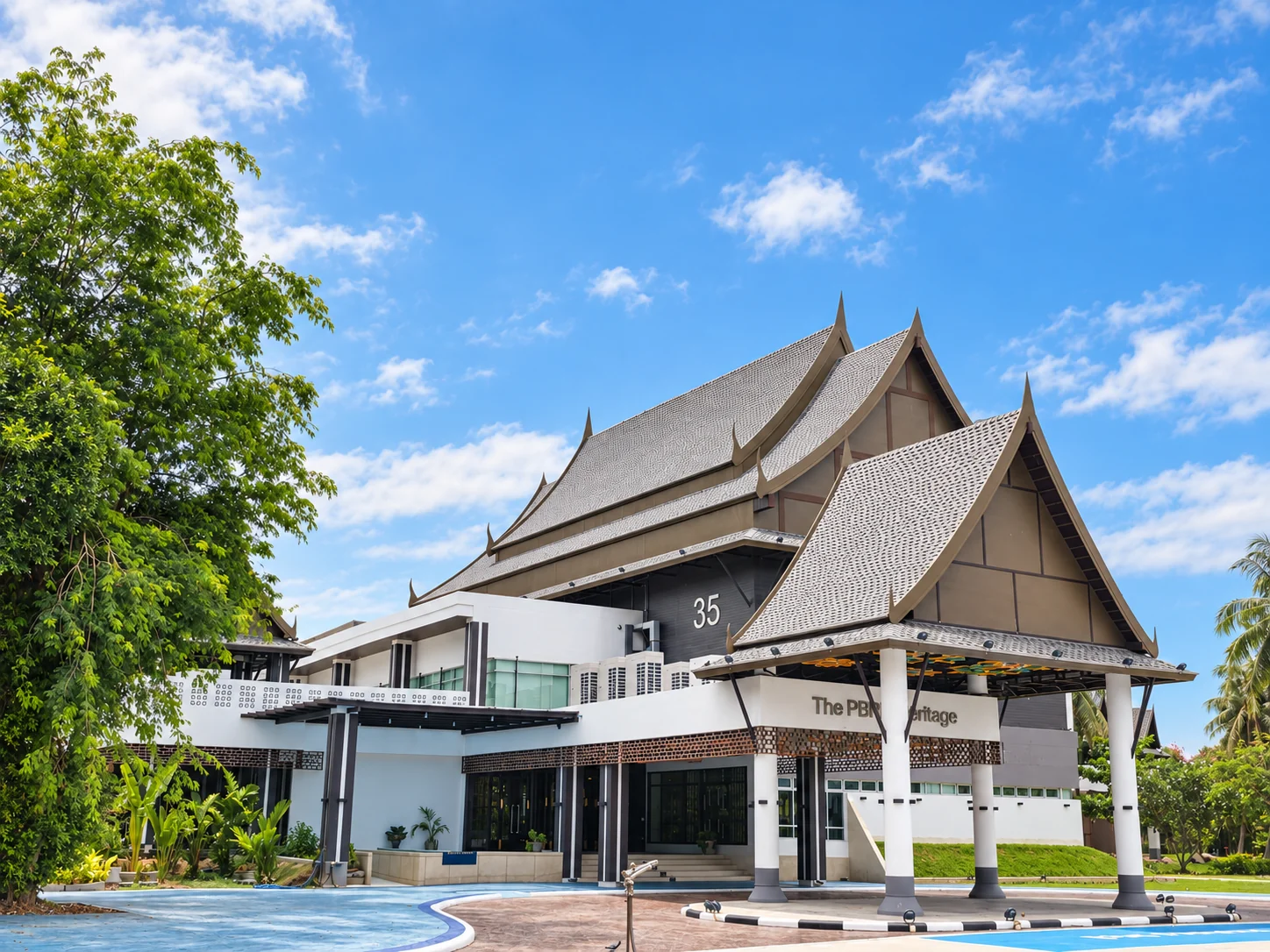
The founding, philosophy, vision, identity and mission of the College of Food and Hospitality Innovation, Phetchaburi Rajabhat University.
Where we began
The College of Food and Hospitality Innovation (C-FHI) is a unit of Phetchaburi Rajabhat University that integrates knowledge of food, tourism, hospitality and high-value agriculture in its teaching. It was approved for establishment by a resolution of the university council, as part of the university’s move to reshape education and develop integrated, cross-disciplinary programmes that prepare people for the labour market of today and the future.
18 March 2024
Resolution of the Phetchaburi Rajabhat University Council, meeting 3/2567 (B.E.)
Our direction
Philosophy
To lead change in hospitality innovation, and advance innovation so that graduates are raised to professional excellence.
Vision
By 2028 (B.E. 2571), the College of Food and Hospitality Innovation will be a centre of food and hospitality-industry innovation, with excellence at international level.
Identity
Travellers, service providers, smart farmers, and the master cooks (ton khrueang) of Phriphri, the old name of Phetchaburi.
Distinctiveness
Craft skills, foreign languages, and a blend of Thai and international approaches, delivered with excellent service.
College colour
Terracotta (brick red)
Mission
Produce graduates in food, tourism, hospitality and high-value agriculture, with an emphasis on hands-on learning, to serve the new S-Curve and New S-Curve industries.
Support academic services and short training courses for graduates, university staff, the general public and anyone who wants to build on their skills or learn new ones; and promote research and development in food, tourism, hospitality and high-value agriculture, with an emphasis on innovation and technology.
Generate income and benefits for the university.
Build national and international networks of cooperation in food, tourism, hospitality and high-value agriculture.
Objectives
- To transform Phetchaburi Rajabhat University in line with the Reinventing University policy.
- To promote and support lifelong learning by developing learners’ competencies through upskilling and reskilling.
- To develop a workforce that meets national development needs, in line with the target S-Curve industries and the New S-Curve industries.
- To become a place of learning and practice for food innovation, high-value agriculture, the service industry and new industries.
- To be a self-reliant unit that generates its own income.
The local context
Phetchaburi is known for its food, local ingredients, agriculture, culture and tourism, and has been a member of the UNESCO Creative Cities Network in the field of Gastronomy since 2021. This context fits C-FHI’s work in food, agriculture, tourism and hospitality.
The College of Food and Hospitality Innovation has set four main strategies, with indicators and target criteria used to follow its work.
Develop a workforce in food, tourism, hospitality and high-value agriculture to raise the country’s competitiveness.
Tactic 1: Produce graduates who meet competency and skill standards.
| No. | Indicator | Target |
|---|---|---|
| 1 | Percentage of new entrants meeting the admissions plan for the 2025 (B.E. 2568) academic year | 80% |
| 2 | Number of awards received at internal and national levels | 3 awards |
| 3 | Programmes aligned with the country’s target industries or accredited to international standards (premium or EMI: English as a Medium of Instruction) in agriculture, food, tourism and health sciences | 1 programme |
| 4 | Number of short courses in food, tourism and health sciences | 8 courses |
| 5 | Percentage of students passing professional-standard tests in food, tourism and health sciences (students who sat the tests only) | 80% |
| 6 | Number of programmes taught jointly with universities or institutions abroad | 1 programme |
Build excellence in research, academic services, innovation and technology in food, tourism, hospitality and high-value agriculture.
Tactic 1: Research and creative work in food, tourism, hospitality and high-value agriculture that is recognised nationally or internationally.
| No. | Indicator | Target |
|---|---|---|
| 1 | Number of awards received in international competitions | 5 |
Drive income generation in line with the College’s missions.
Tactic 1: Generate mission-based income towards sustainable self-reliance.
| No. | Indicator | Target |
|---|---|---|
| 1 | Income from projects and activities under the food, tourism and health-science strategy (hotel, food school, products, short courses) (million baht) | 2 million baht |
Improve management efficiency, towards an organisation of practice in food and tourism in the western region.
Tactic 1: Be a place of practice with excellent management, moving towards a creative city of food and tourism.
| No. | Indicator | Target |
|---|---|---|
| 1 | Percentage of targets achieved against the unit’s annual operational plan indicators | 80% |
| 2 | Percentage of government budget disbursed by the unit | 80% |
Administrative information of the College of Food and Hospitality Innovation
Executives
Current executives, supervisor and people assigned supporting roles in the College of Food and Hospitality Innovation
College Supervisor
Supervises the College of Food and Hospitality Innovation on behalf of the President
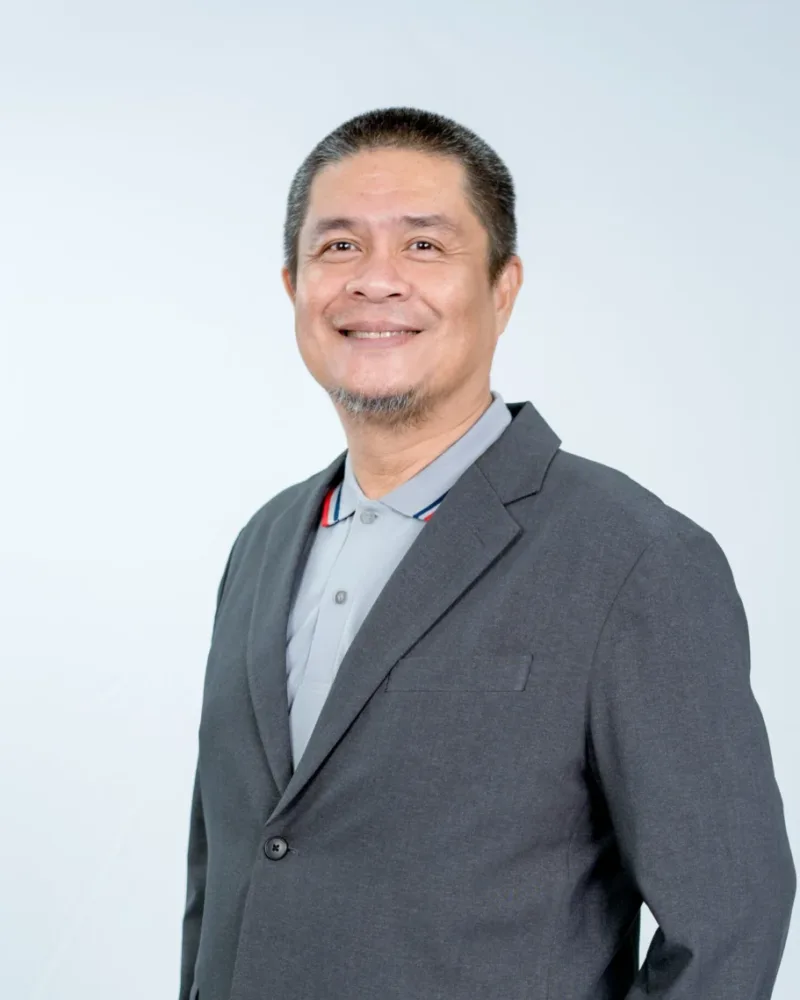 College Supervisor on behalf of the President
Dr. Kritsada Tangchawan
Vice President for International Affairs
Lecturer, International Tourism, Hospitality, Events and Restaurant Management
College Executives
Current executives and people assigned to drive the College’s work
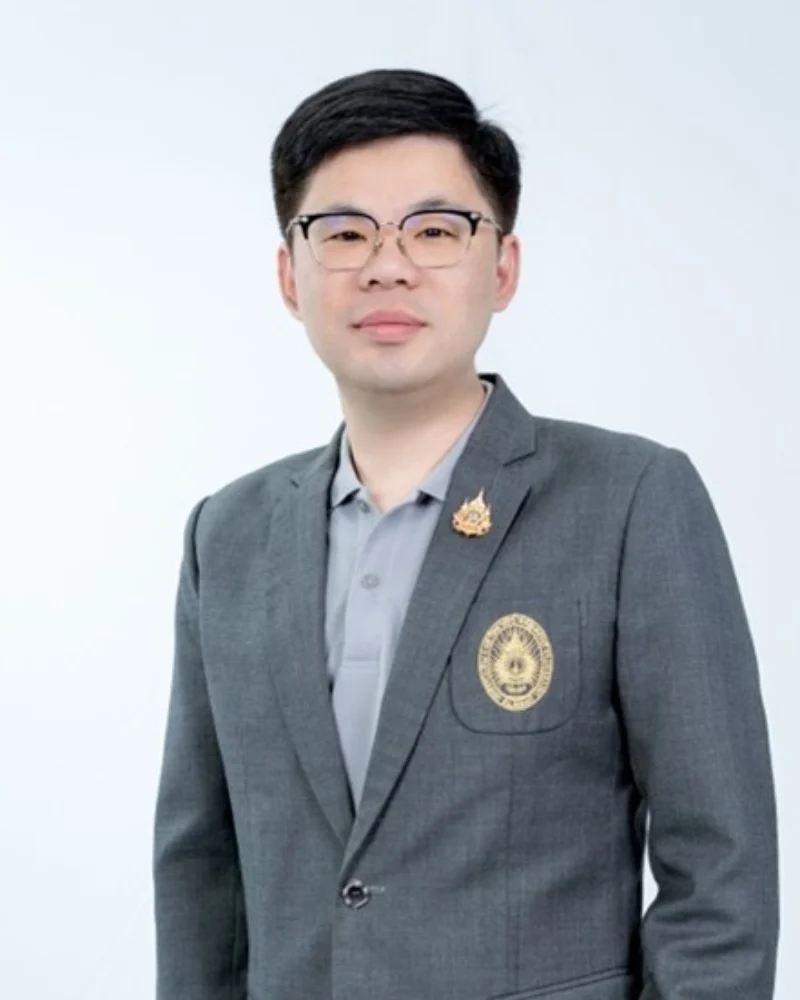 Dean
Dr. Tawipat Wijitpanyarak
Dean, College of Food and Hospitality Innovation
In post since 8 September 2025
Lecturer, Creative Gastronomy and Food Service Management
 Associate Dean
Dr. Supaporn Arunawongsa
Associate Dean for Academic Affairs and Lifelong Learning Innovation
Lecturer, Chinese for Business and Services
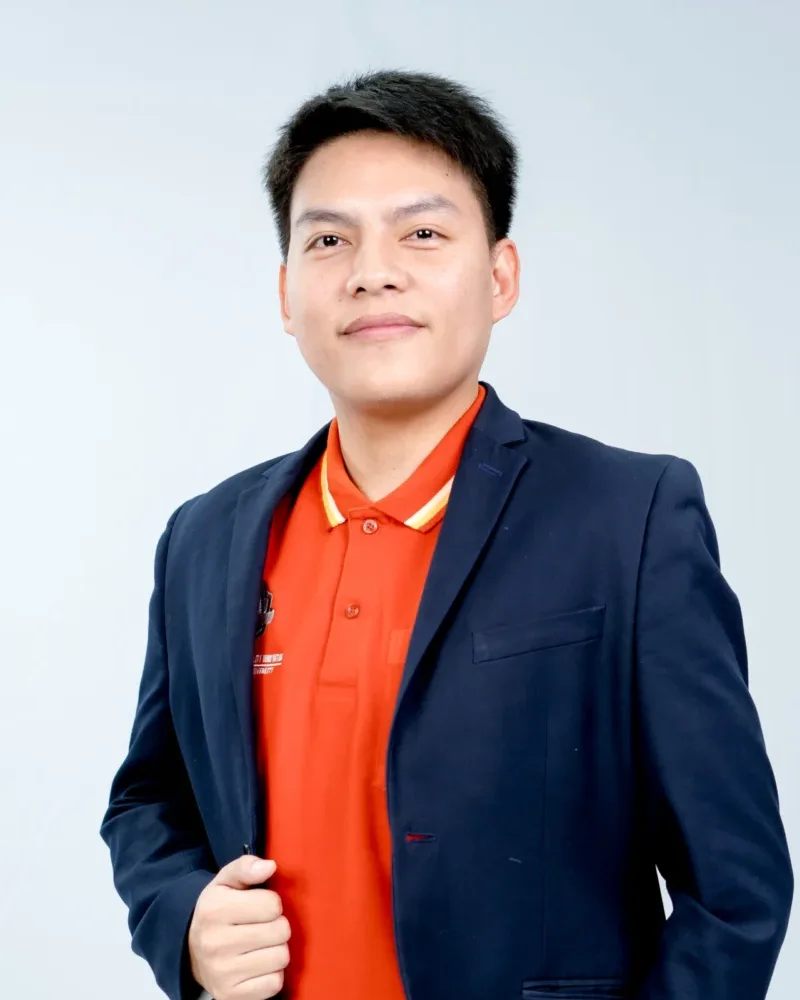 Assistant Dean
Kamol Kiattipong
Assistant Dean for Planning, Quality Assurance, Academic Services and Income Generation
Lecturer, International Tourism, Hospitality, Events and Restaurant Management
 Assistant Dean
Saranyu Chanwong
Assistant Dean for Student Guidance and Network Relations
Lecturer, International Tourism, Hospitality, Events and Restaurant Management
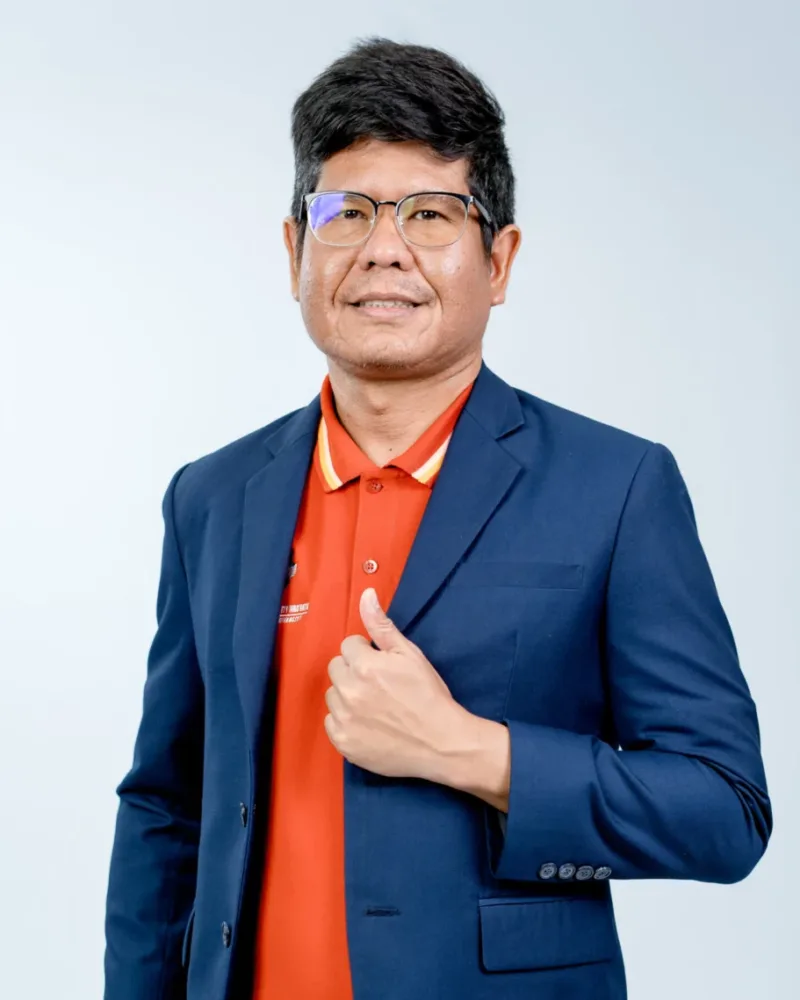 Assistant Dean
Dr. Teerawat Onlamool
Assistant Dean for Innovation, Creative Work and Special Missions
Lecturer, Organic Agriculture and Smart Farm Management
Executive Assistants
People assigned to support specific areas of the College’s work. These are supporting roles, not positions in the chain of command shown in the structure chart.
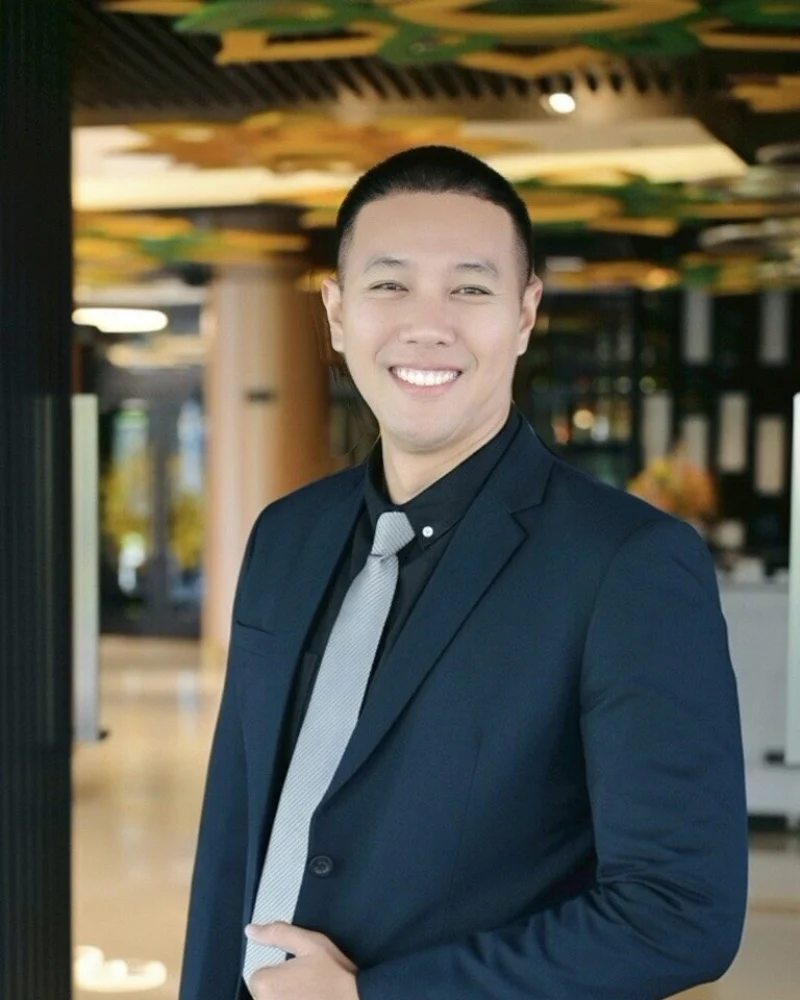 Executive Assistant
Kridi Wannachai
Executive Assistant for Student Development, Communication and Corporate Image
Lecturer, International Tourism, Hospitality, Events and Restaurant Management
 Executive Assistant
Dr. Rawisara Inthasit
Executive Assistant for Integrated Teaching and Learning Innovation, Utilisation and Networking
Lecturer, Organic Agriculture and Smart Farm Management
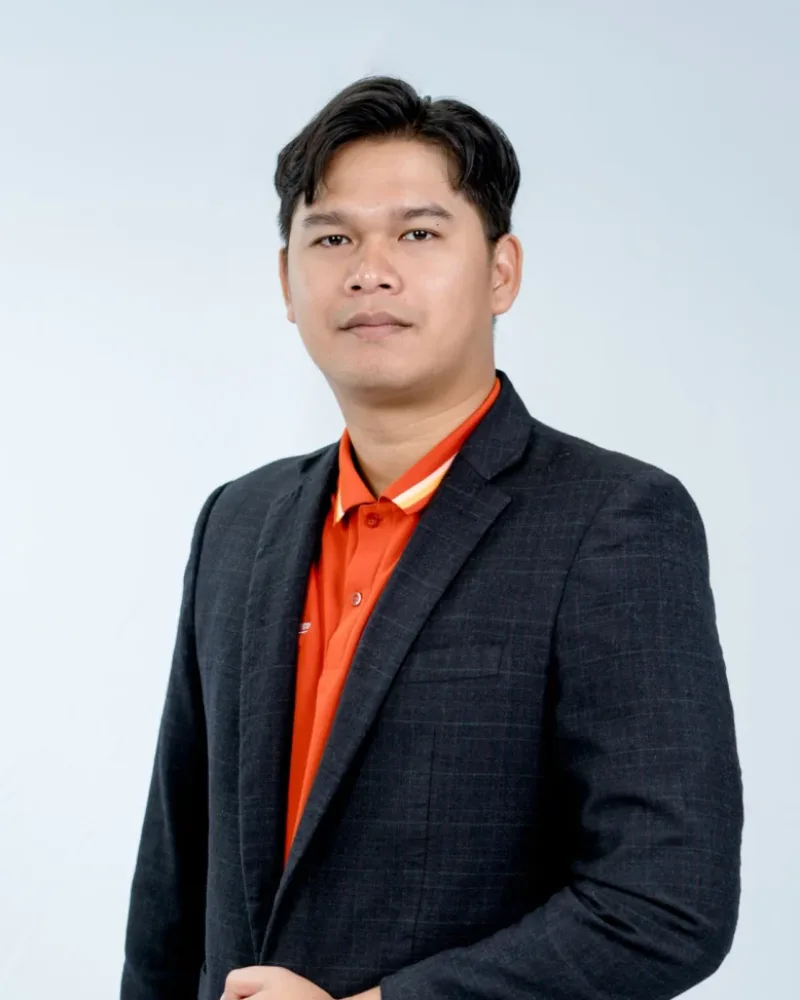 Executive Assistant
Dr. Anuwat Lakyat
Executive Assistant for Social Engineering, Change Leadership, and Information Technology and AI for Decision-Making
Lecturer, Organic Agriculture and Smart Farm Management
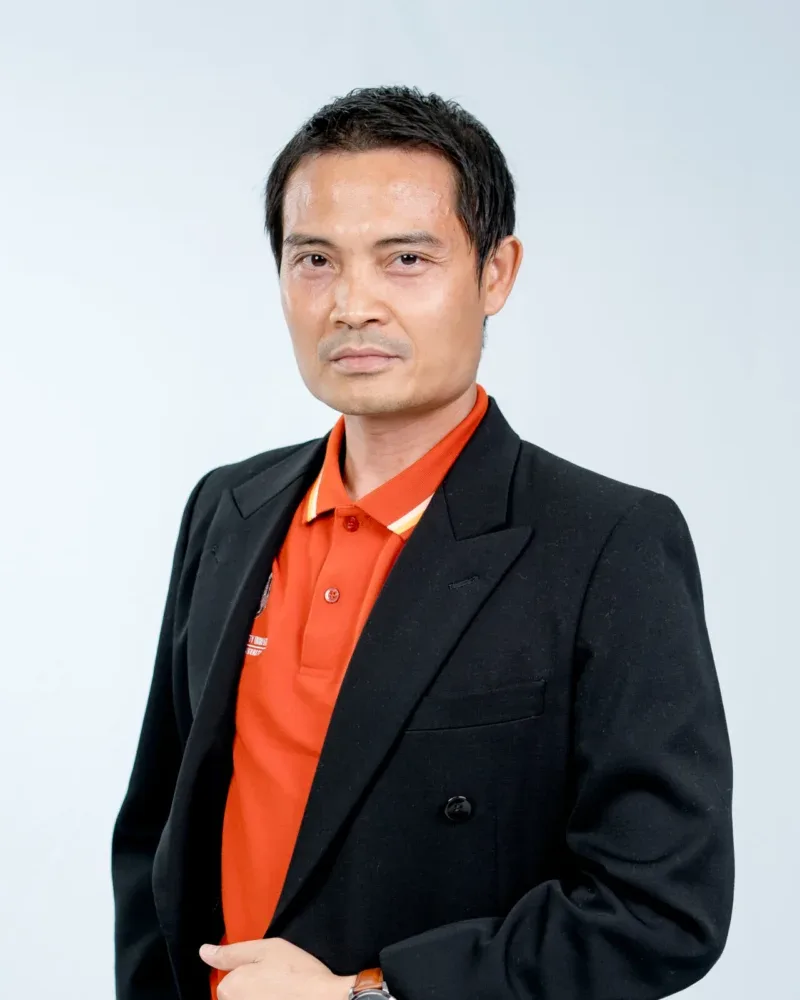 Executive Assistant
Dr. Sumet Chomphutawach
Executive Assistant for Research and Deep Innovation
Lecturer, Organic Agriculture and Smart Farm Management
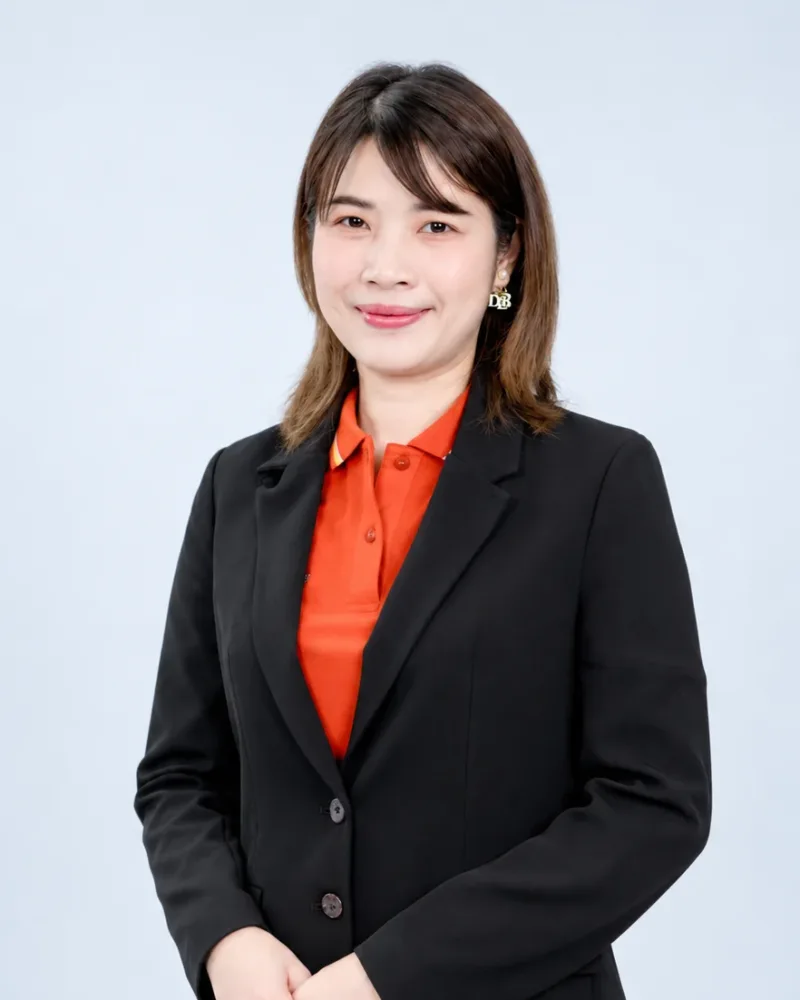 Executive Assistant
Dr. Thanatta Laplert
Executive Assistant for Partnership Development for Educational Guidance
Lecturer, Chinese for Business and Services
Office Administration
Responsible for managing and coordinating the Dean’s Office in support of the College’s operations
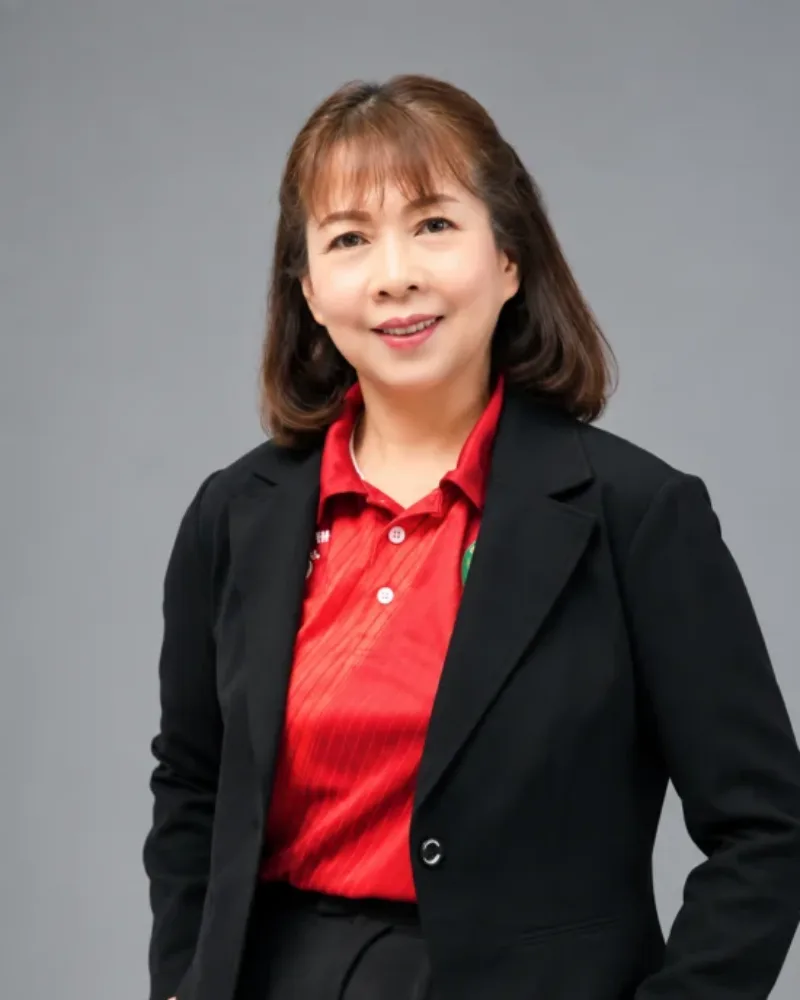 Head of Office
Mrs. Dujdao Kaewpijit
Head of Office, College of Food and Hospitality Innovation
Dean’s Office, College of Food and Hospitality Innovation
Administrative structure
C-FHI’s administrative structure links university-level governance, College management, the Dean’s Office and the work units for academic affairs, research, academic services, arts and culture, communication and income generation, so that the College operates systematically. The chart shows positions and work units in the structure and is not tied to the names of current post-holders.
University-level governance
College management is linked to university governance before it is carried into C-FHI’s internal management.
Internal management lines of C-FHI
Under the Dean, the College is organised into main lines responsible for office administration, academic and student affairs, research and engagement, and policy, communication and corporate image.
Head of the Dean’s Office
Oversees and coordinates general administration of the Dean’s Office
- General Administration
Associate Dean for Academic Affairs, Guidance and Student Affairs
Leads academic work, curriculum development, guidance, student development and educational cooperation
- Academic Affairs
- Guidance and Student Affairs
Associate Dean for Research and Innovation, Academic Services, Arts and Culture, and Utilisation and Income Generation
Responsible for research and innovation, academic services, arts and culture, knowledge utilisation and income generation
- Research and Innovation
- Academic Services
- Arts and Culture
- Utilisation and Income Generation
Assistant Dean for Policy and Planning, Communication and Corporate Image
Responsible for policy and planning, information systems, communication and public relations, guidance, practice spaces and centres, products, branding, services, cooperation and work related to corporate image
- Policy, Communication and Corporate Image
Documents and data showing how each programme runs, following the AUN-QA (ASEAN University Network) framework, version 4.0.
The eight criteria and the documents we will show
| Criterion | Documents |
|---|---|
| 1. Expected learning outcomes | Programme learning outcomes and stakeholder survey results |
| 2. Programme structure and content | Programme structure, courses and the PLO-to-course map |
| 3. Teaching and learning approach | Course specifications and practice venues |
| 4. Student assessment | Assessment approach and sample course reports |
| 5. Academic staff | Staff profiles and qualifications |
| 6. Student support services | Advising, forms and scholarships |
| 7. Facilities and infrastructure | Classrooms, laboratories, The PBRU Heritage and the farm |
| 8. Output and outcomes | Enrolment, retention, graduates, employment and satisfaction |
Evidence by programme
International Tourism, Hospitality, Events and Restaurant Management
Published documents: being prepared
Go to the programme page →Creative Gastronomy and Food Service Management
Published documents: being prepared
Go to the programme page →Organic Agriculture and Smart Farm Management
Published documents: being prepared
Go to the programme page →Institution-level quality (EdPEx)
To be added later, once the university confirms its approach.