Knowledge from research, applied to development and value creation. The College gathers work from sources that can be traced back, so that readers can reach what has been published.
6works reported in SCD 2025
3content themes
4works with a DOI
1conference paper
Overview of reported work
The SCD 2025 dataset of Phetchaburi Rajabhat University reports 6 research works under the College of Food and Hospitality Innovation. This list is the starting point for the C-FHI research and innovation database on this website.
Note: the 6 works come from the list PBRU holds under C-FHI and span several years. This does not mean all were published in 2025.
Themes seen in the published work
Works are grouped by subject to make browsing easier. This is not an official statement of the College’s research strategy.
2 works
Bioresources and bioprocesses
Biomass pretreatment, use of agricultural residues, and biomass degradation processes.
2 works
Agriculture and biotechnology
Studies of plants, animals and biological processes that support agricultural production.
2 works
Innovation for sustainable production
Applying natural substances and related technology to develop management methods in production systems.
List of research works
Based on the SCD 2025 dataset. Titles are shown as in the original.
01Bioresources and bioprocesses
Novel system of corn cob pretreatment with acid–base mixture solution for enhanced enzymatic hydrolysis and reusability
Studies pretreatment of corn cob with an acid–base solution system to support enzymatic hydrolysis, and examines reuse of the pretreatment system.
Short-term Storage of White Shrimp (Litopenaeus vannamei) Spermatophores.
Studies suitable solutions for short-term storage of white shrimp spermatophores, assessing how well the reproductive cells stay viable during storage.
C-FHI treats research and innovation development as part of its operations, alongside education and academic services. Further works, projects and evidence will be linked once their source, currency and publication status are checked.
The College takes its knowledge of food, tourism, hospitality, languages and agriculture into work with communities and partners, through hands-on learning, knowledge exchange and approaches that fit the local context.
How we work
1. Understand the context
Survey the area, listen and exchange with the community or partners before deciding how to work
2. Learn and do together
Connect knowledge with practice, with lecturers, students and partners working together
3. Build on results
Gather the results and consider next steps when the information and readiness are in place
Featured project · C-FHI X KHAO TAO
KHAO TAO: Woven Stories, Shared Flavors
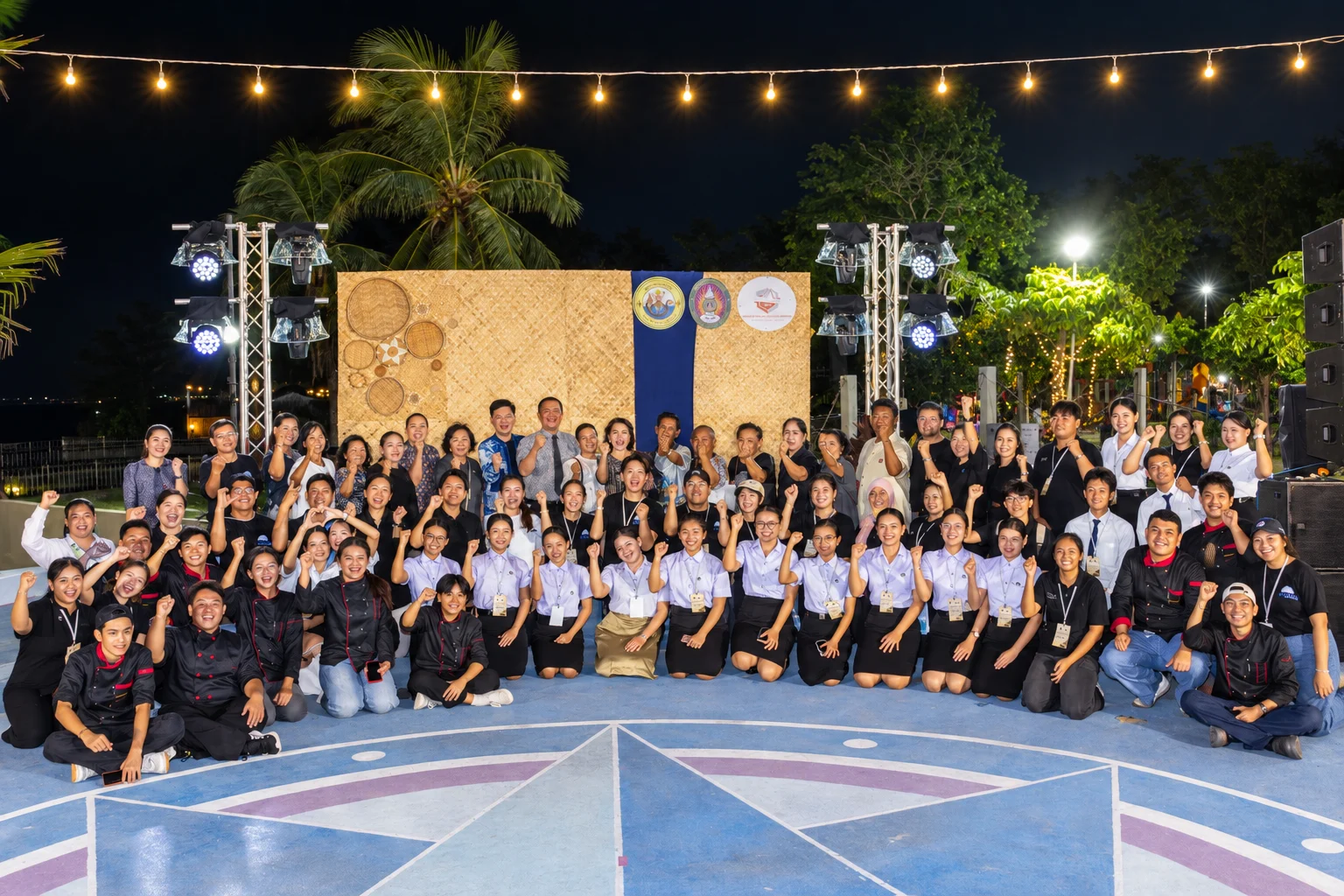
An academic service project linking the College’s knowledge with the Ban Khao Tao community in Hua Hin through food, hospitality, design, communication and community identity, with all four programmes working in the same area.
The College works with local agencies, communities, industry and international networks to connect learning with real settings, open up work-experience opportunities, exchange knowledge and develop activities together.
Types of partnership
Industry and work-based learning
Connecting learning with the world of work through professional internships and activities with businesses
Government and communities
Working with local agencies, communities and sectors in the area to connect knowledge with real settings
International partnerships
Opportunities for exchange, work experience and shared learning with international networks
Partnership examples
Based on news published by the College and the University
Hua Hin Town Municipality
Discussed ways of working together in the area, covering student development, professional internships, and tourism, food and hospitality activities
Helped prepare the entry for the Green Destinations Award with the public sector, private sector, communities and civil society, as the representative of the education sector
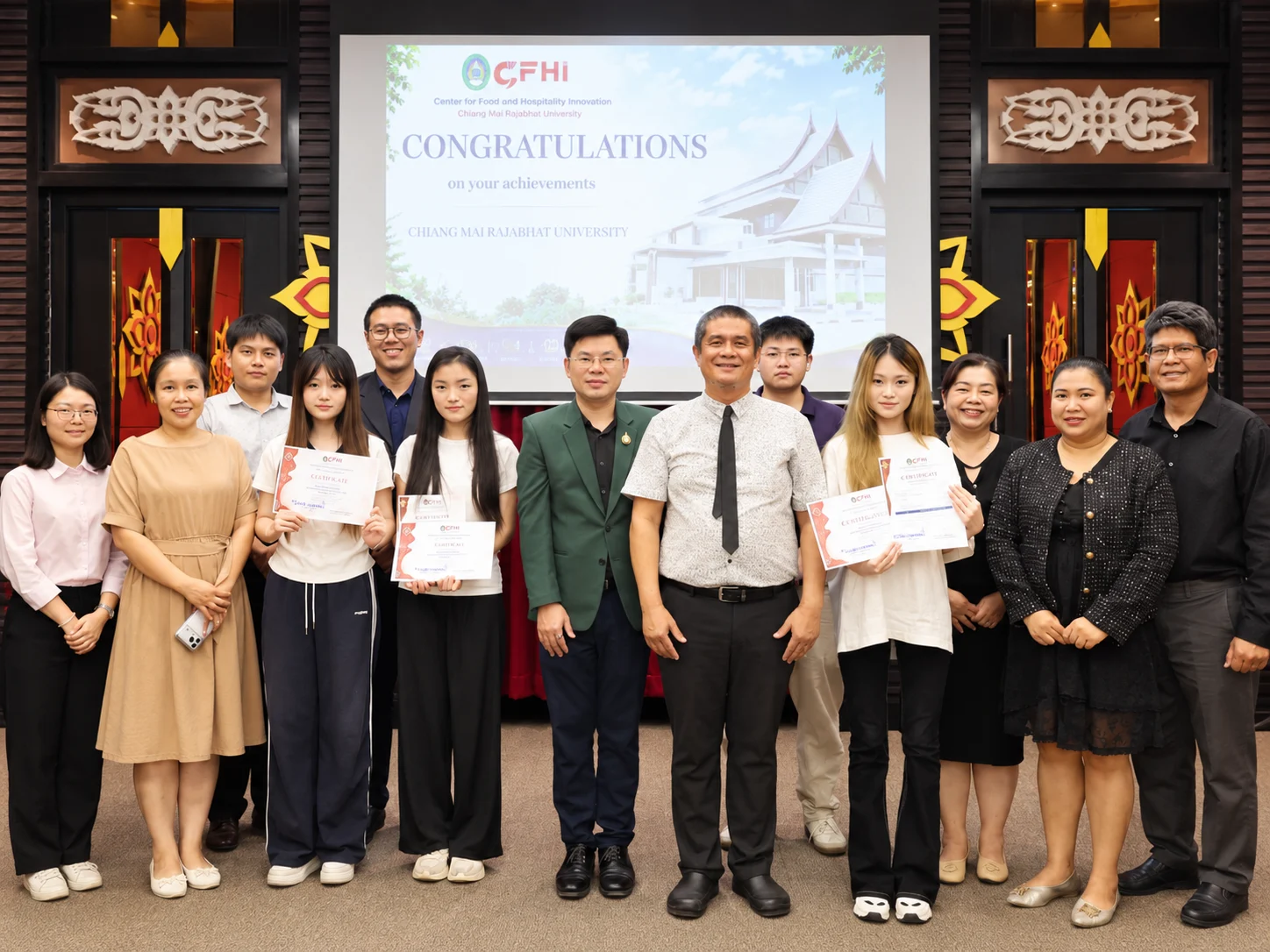
Three exchange students from Dalian Art College gained three months of work experience at The PBRU Heritage in 2026, in front office, food and beverage, and kitchen, under the College’s supervision
Local partnerships may begin with meetings, listening, trial activities or knowledge transfer, before developing into a way of working that suits the real context.
Our principles
Learn: students, staff and partners learn from real situations
Co-create: bring each party’s expertise to the needs of the area or organisation
Sustain: focus on partnerships with real activities, evidence and follow-up
The list of partners and businesses will be published progressively once status, dates and evidence have been verified.
Have a project in mind?
Agencies, businesses, communities and institutions are welcome to contact the College to discuss partnerships, student development, academic activities or work in their area.